Compare executive Find EB-1 attorney for executives for experienced legal representation for executive immigration petitions
Compare executive Find EB-1 attorney for executives for experienced legal representation for executive immigration petitions
Blog Article
Complete Immigration Law Guidance for Your New Adventure
Maneuvering the intricacies of immigration can be intimidating for many individuals. Complete immigration law services offer critical support, directing clients through the detailed processes involved. From learning about various options to preparing residency and citizenship applications, these services play an significant role in reaching immigration goals. However, many still face challenges along the way. What are the most common obstacles, and how can one effectively overcome them?
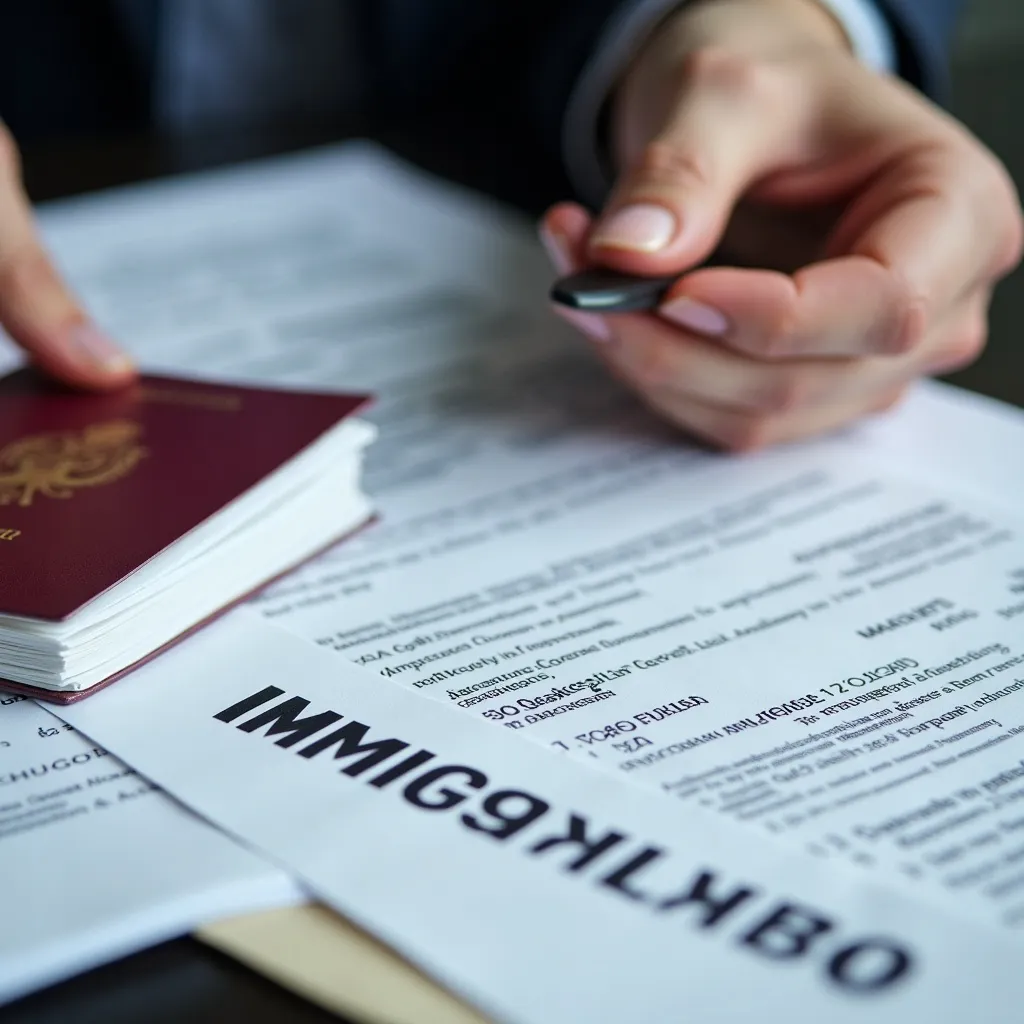
Learning About Immigration Law Offerings: What to Expect
What should one prepare for when pursuing immigration law services? Applicants often look for a organized procedure that directs them through the challenges of immigration requirements. Initially, a discussion typically assists identify distinct needs and conditions. Lawyers evaluate qualification for various immigration options, ensuring clients obtain tailored guidance.
Clients are advised to anticipate a detailed explanation of applicable laws and regulations, together with knowledge about potential challenges. The preparation and filing of necessary documents is a crucial aspect of immigration law services. Lawyers help in gathering proof and filling out forms correctly, minimizing the chance of delays or denials.
Moreover, timely communication is essential; clients should anticipate regular updates concerning their case status. Ultimately, efficient immigration legal support aim to simplify the journey, offering clarity and support throughout the often challenging process of immigration.
Core Permission Kinds and Obligations for New People Moving
Navigating the terrain of relocation can be difficult, especially when identifying the critical types and prerequisites for newcomers. Common types encompass family-based, work-related, student, and refugee . Each type has distinct qualification standards and paperwork needs.
Family-sponsored need proof of the relationship with a U.S. citizen or copyright, while employment-based necessitate a job offer and labor certification from an employer. Student require admission from a recognized educational institution and evidence of financial support.
In addition, asylum are obtainable for individuals fleeing oppression, requiring extensive documentation to prove eligibility. Applicants must also understand application fees, processing times, and likely interviews. Grasping these categories and their specifications is crucial for newcomers to guarantee a easier transition into their future. Thorough planning can substantially enhance the chances of a positive application.
Finding the Ideal Immigration Lawyer for You
Determining the right immigration attorney requires careful consideration of numerous important aspects. Analyzing their experience and expertise, recognizing the expenses concerned, and inspecting their communication style are important measures in this procedure. A thoughtful selection can considerably impact the resolution of an immigration dispute.
Determining Experience And Specialized Skills
Finding the qualified immigration lawyer can strongly affect the outcome of a case, so it is necessary to review their experience and skills thoroughly. Prospective clients should examine the lawyer’s history in immigration law, paying attention to the number of cases managed and specific areas of expertise, such as family-based or employment-based immigration. Evaluating their success rate in similar cases can give insight into their competence. In addition, analyzing client testimonials and seeking referrals can aid in gauging their standing. Confirming any professional affiliations or certifications is also valuable, as these often indicate a dedication to staying informed about immigration laws. Finally, a thorough assessment makes certain that individuals pick a lawyer qualified to address their specific immigration challenges efficiently.
Grasping Law Fees
Knowing attorney charges is a key step for anyone seeking immigration law services. Clients should be aware that fees may vary greatly based on variables such as the lawyer's experience, the complexity of the case, and geographic location. Many immigration lawyers offer flat fees for specific services, whereas others may charge hourly rates. It is essential for clients to request a clear breakdown of costs and any possible additional charges. Transparency in pricing helps prevent unexpected financial burdens. Moreover, clients should ask about payment plans or sliding scale fees, which can help make legal services more accessible. Ultimately, understanding these financial matters can empower clients to make informed decisions when selecting an immigration attorney.

Analyzing The Way Messages Get Shared
Strong communication is a key aspect when choosing an immigration lawyer. A lawyer's proficiency to translate complex legal concepts in a transparent and accessible manner can profoundly influence a client's experience. Potential clients should evaluate how engaged the lawyer is to inquiries and whether they can convey information in a way that suits the client's needs. During first discussions, clients should observe the lawyer's interpersonal skills and willingness to address concerns. Effective lawyers not only provide legal advice but also foster a comfortable environment for open communication. Ultimately, choosing a lawyer whose communicative approach connects with the client can lead to a more productive working relationship and strengthen the overall immigration process. This synchronization guarantees that clients remain informed and supported throughout their process.
Grasping the Residency Journey
The residency process can be a complicated undertaking, as it involves multiple steps and legal requirements that vary by country. Individuals pursuing residency must first identify the appropriate category, which often relies on factors such as employment, family connections, or humanitarian grounds. Gathering the necessary documentation is vital; applicants typically need proof of identity, financial stability, and health insurance, among other items.
Once submitted, applications face review, which may comprise interviews or further questions. Timelines can shift considerably, as some countries expedite their timelines for certain applicants while others proceed more slowly due to case backlogs or strict protocols.
Grasping local legal frameworks is necessary, as non-adherence can result in setbacks or denials. Working with immigration legal experts can deliver guidance and aid people in managing this complicated process competently. In the end, groundwork and information are crucial factors in achieving successful residency.
Steps to Achieve Citizenship
Obtaining citizenship involves a defined pathway that candidates must follow. This includes understanding eligibility requirements, guiding through the application submission, and preparing for the naturalization hearing. Each portion plays a key function in successfully obtaining full citizenship.
Understanding Qualification Requirements
Though the journey to naturalization might feel intimidating, knowing the eligibility requirements is necessary for prospective applicants. To qualify for U.S. citizenship, individuals must meet numerous criteria. They must be at least 18 years old, maintain lawful permanent residency for a period of at least five years, or three years if married to a U.S. citizen. Ethical standing is crucial, demonstrated through a spotless criminal history. Additionally, applicants must demonstrate English language proficiency and understanding of U.S. history and government. Continuous residence in the U.S. is obligatory, with absences not going beyond six months during the residency period. By familiarizing themselves with these requirements, applicants can better prepare themselves additional article for the next steps in their citizenship journey.
Application Process Overview
Grasping the application process is essential for individuals pursuing U.S. citizenship, as every step demands careful consideration to detail. The journey starts with completing Form N-400, the Application for Naturalization, which asks applicants to submit personal information and proof of eligibility. Following submission, applicants must pay the required fees and await a receipt notice. Next, biometrics appointments are scheduled to collect fingerprints and photographs for background checks. After processing, applicants obtain a notice regarding their interview, where they must show knowledge of U.S. history and government. Finally, upon approval, applicants take the Oath of Allegiance, solidifying their status as U.S. citizens. Each step is essential toward achieving the ultimate goal of citizenship.
Getting Ready for Your Naturalization Interview
Thorough readiness for the naturalization interview is essential for applicants working to achieve U.S. citizenship. This procedure generally involves several important steps. First, candidates should acquaint themselves with the U.S. government structure, history, and civic responsibilities, as these topics are integral to the interview. Rehearsing answers to commonly asked questions can enhance confidence and clarity. Additionally, applicants must gather required documentation, including proof of residency and tax records. It is prudent to review the U.S. Citizenship and Immigration Services (USCIS) materials and think about attending preparatory classes or workshops. Finally, applicants should plan to arrive early on the interview day to account for any unexpected delays, maintaining a calm and focused demeanor during the interview.
Managing Standard Border Complications
Managing the complexities of immigration can be daunting, particularly when confronted with common challenges such as denials, communication obstacles, and unfamiliar legal processes. Many individuals suffer anxiety during the application process, often due to inadequate documentation or misunderstandings of legal requirements. Communication difficulties can exacerbate these issues, hindering effective communication with immigration officials and legal representatives.
To deal with these problems, seeking professional assistance is critical. Immigration attorneys can render custom guidance, helping applicants learn their rights and responsibilities. Likewise, using translation services can assure that language does not interfere with progress.
Getting ready diligently for interviews and collecting all vital records can greatly minimize the chances of rejection or hold-up. By confronting these common hurdles beforehand, individuals can navigate the immigration landscape more productively, setting the direction for accomplished achievements in their travels toward legal habitation or citizenship.
Frequently Commonly Questions
What Charges Relate to Immigration Law Solutions?
Costs associated with immigration law services typically include initial consultation charges, submission fees, and extra costs for document preparation or legal representation. Variations are based on the intricacy of your situation and the lawyer's experience.
How long Does the immigration procedure Typically Take?
The immigration process typically takes a few months up to multiple years, based on factors such as type of application, country of origin, and particular situations. Timelines may differ significantly, impacting people's expectations and plans during the process.
Can Relatives Accompany Me While Undergoing the Immigration Procedure?
Yes, family members can often travel with applicants during the process. Specific eligibility varies by types and circumstances, but many options enable the participation of husbands or wives, children, or other direct family members.
What Transpires if My Application Is Rejected?
If a application for is declined, the applicant commonly is sent a notice explaining the explanations. They may have courses of action to appeal, file again, or address issues, contingent upon the relevant circumstances and immigration policy involved.
What Alternatives to Established Immigration Processes are Available?
Options outside traditional immigration pathways encompass employment-based , investor programs, humanitarian options, and family sponsorship. Each route offers distinct criteria and procedures, allowing people to discover multiple options for legal residency and citizenship.
Report this page